
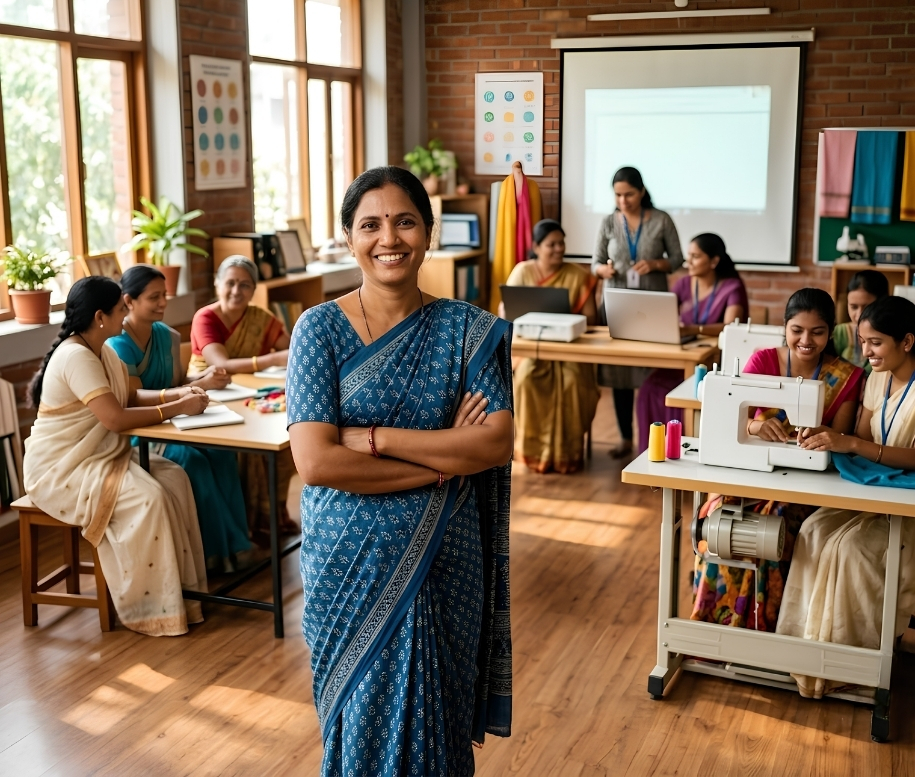
Women Empowerment in India: Building an Equal and Stronger Society
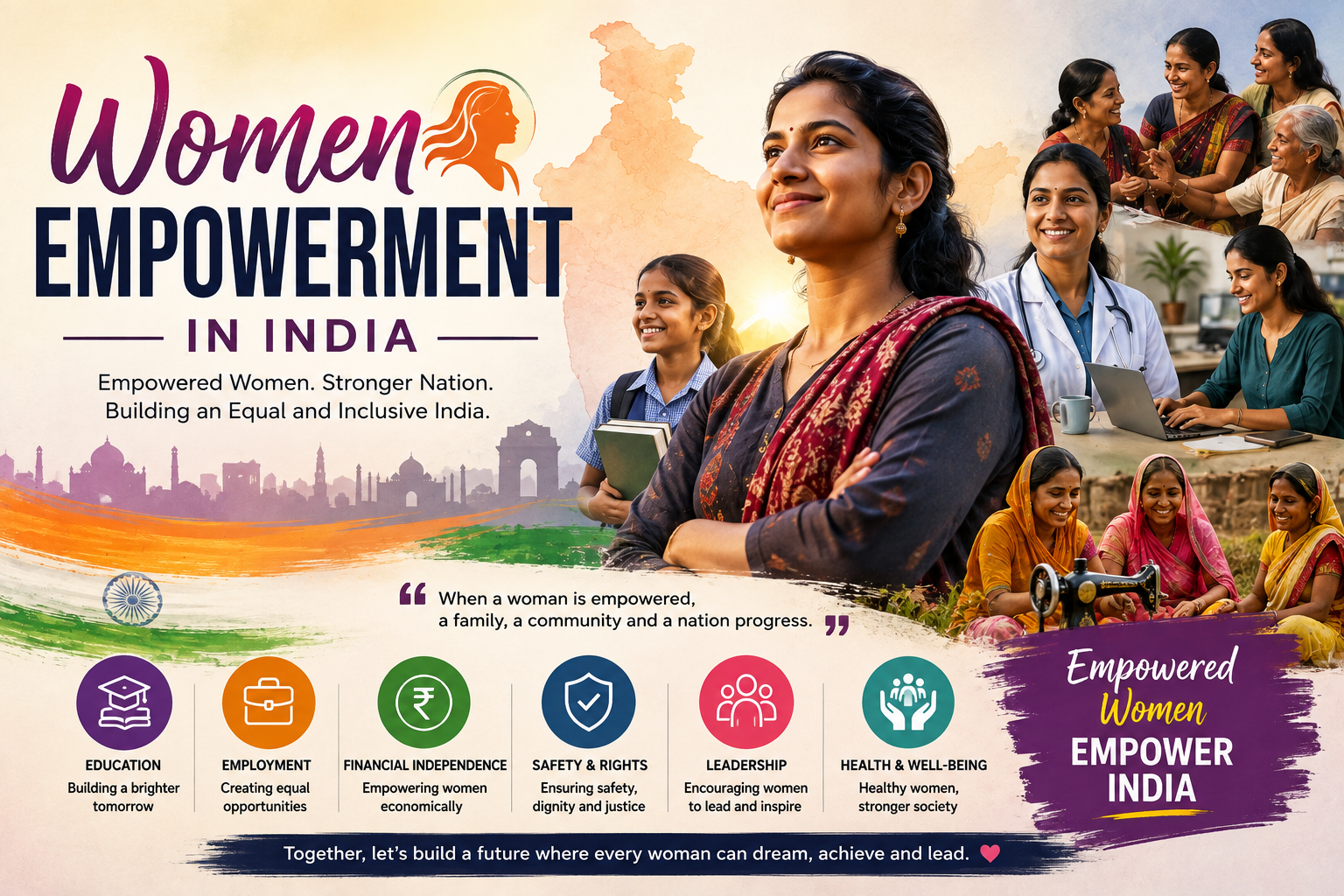
Women have always played a vital role in shaping families, communities, and nations. From raising future generations to leading businesses, contributing to science, education, healthcare, and public service, women continue to make remarkable contributions to society. However, despite significant progress over the years, many women in India still face challenges such as unequal access to education, healthcare, employment opportunities, financial independence, and decision-making rights.
Women empowerment in India is about creating an environment where every woman has the freedom, confidence, resources, and opportunities to achieve her full potential. It means ensuring equal rights, equal opportunities, and equal participation in every aspect of life, regardless of social or economic background.
Empowering women is not just about supporting individuals—it is about strengthening families, improving communities, and contributing to the overall development of the nation. Governments, educational institutions, businesses, and Non-Governmental Organizations (NGOs) all play an important role in making this vision a reality.
In this article, we will explore the meaning of women empowerment, why it is important, the challenges women continue to face, and how collective efforts can create lasting positive change.
What is Women Empowerment?
Women empowerment refers to the process of enabling women to make independent decisions, access equal opportunities, participate in education and employment, and enjoy the same rights as men. It focuses on removing barriers that limit women’s personal, social, educational, and economic growth.
Empowerment also means giving women the confidence to express their opinions, participate in leadership roles, manage financial resources, and contribute actively to society.
True empowerment is achieved when women have equal opportunities to learn, work, lead, and live with dignity and respect.
Why is Women Empowerment Important in India?
India has made remarkable progress in women’s education, entrepreneurship, politics, sports, and technology. Yet, achieving complete gender equality remains an ongoing journey.
Women empowerment is essential because it helps create a more inclusive and progressive society. When women are educated and financially independent, they can make informed decisions about their health, children’s education, and family well-being. This creates a positive ripple effect that benefits entire communities.
Empowered women also contribute significantly to economic growth by joining the workforce, starting businesses, and creating employment opportunities for others.
A society where women have equal opportunities is more likely to experience sustainable development, reduced poverty, improved education, and better healthcare outcomes.
Challenges Faced by Women in India
Although considerable progress has been made, many women still encounter obstacles that limit their growth and opportunities.
Unequal Access to Education
Education is one of the strongest foundations of empowerment. While school enrollment among girls has improved, many still face barriers due to financial constraints, social norms, or limited educational resources in rural areas.
Without quality education, women often struggle to access better employment opportunities and achieve financial independence.
Economic Inequality
Many women continue to face wage gaps, limited career opportunities, and reduced access to financial resources. Some women are unable to participate in the workforce due to family responsibilities or lack of support systems.
Encouraging skill development, entrepreneurship, and financial literacy can help improve economic participation.
Health and Nutrition
Access to quality healthcare remains a challenge in many parts of India. Women often require better maternal healthcare, nutrition, reproductive health services, and awareness programs to lead healthier lives.
Improving healthcare access directly contributes to stronger families and healthier communities.
Social and Cultural Barriers
Traditional stereotypes and gender biases continue to influence opportunities available to women in certain regions. In some communities, women may have limited participation in decision-making or leadership roles.
Changing societal attitudes through education and awareness is essential for long-term progress.
The Role of Education in Women Empowerment
Education is one of the most powerful tools for empowering women. It builds confidence, improves knowledge, develops skills, and opens doors to better career opportunities.
An educated woman is more likely to support her children’s education, contribute to family income, participate in community development, and make informed decisions about her future.
Investing in girls’ education creates benefits that extend across generations.
Economic Empowerment of Women
Financial independence enables women to become self-reliant and actively contribute to society. Employment opportunities, vocational training, entrepreneurship, and digital skills help women improve their livelihoods and support their families.
Government initiatives, self-help groups, and NGOs have played an important role in encouraging women to start small businesses, learn new skills, and access financial services.
Economic empowerment also increases women’s confidence and participation in decision-making within their families and communities.
How NGOs Support Women Empowerment in India
Non-Governmental Organizations play a crucial role in promoting women empowerment in India by reaching communities where support is needed the most.
Many NGOs organize programs focused on:
- Girls’ education and literacy
- Skill development and vocational training
- Health and nutrition awareness
- Legal rights awareness
- Financial literacy
- Entrepreneurship support
- Leadership development
- Community awareness campaigns
By working directly with local communities, NGOs help women gain knowledge, confidence, and opportunities that improve their quality of life.
Government Initiatives Supporting Women Empowerment
The Government of India has introduced several initiatives aimed at improving the lives of women and promoting gender equality.
Some well-known initiatives focus on encouraging girls’ education, improving maternal health, promoting financial inclusion, supporting women entrepreneurs, and increasing safety and social security.
While government programs provide valuable support, collaboration with NGOs, educational institutions, and local communities is essential for achieving meaningful and lasting impact.
How Society Can Contribute to Women Empowerment
Women empowerment is a shared responsibility. Every individual can contribute to creating a more equal society by promoting respect, equal opportunities, and inclusive thinking.
Some meaningful ways include:
- Encouraging girls’ education.
- Supporting equal career opportunities.
- Promoting financial independence.
- Respecting women’s opinions and decisions.
- Creating safe workplaces and communities.
- Challenging gender stereotypes.
- Supporting organizations working for women’s welfare.
Small positive actions from individuals and communities can collectively bring significant social change.
How Anupama Foundation Supports Women Empowerment
At Anupama Foundation, we believe that empowering women is one of the most effective ways to build stronger families and healthier communities. Our initiatives focus on creating opportunities that help women become confident, educated, skilled, and self-reliant.
Through awareness programs, community engagement, educational support, and social development initiatives, we strive to encourage women to realize their potential and actively participate in society. We believe that when women grow, families prosper, communities become stronger, and the nation moves forward together.
Conclusion
Women empowerment in India is not just a social objective—it is a foundation for national progress. When women receive equal access to education, healthcare, employment, and leadership opportunities, they contribute significantly to the country’s economic growth and social development.
Although challenges remain, continuous efforts from governments, NGOs, educational institutions, businesses, and citizens are creating positive change across the country.
By supporting gender equality, encouraging education, and providing opportunities for women to thrive, we can build a more inclusive, prosperous, and compassionate India for future generations.
Frequently Asked Questions (FAQs)
1. What is women empowerment in India?
Women empowerment in India refers to enabling women to enjoy equal rights, opportunities, education, employment, financial independence, and participation in social and economic development.
2. Why is women empowerment important?
It promotes gender equality, strengthens families, improves economic growth, reduces poverty, and contributes to the overall development of society.
3. How do NGOs support women empowerment?
NGOs support women through education, skill development, healthcare awareness, financial literacy, entrepreneurship programs, legal awareness, and community development initiatives.
4. What are the major challenges to women empowerment in India?
Some key challenges include unequal access to education, economic inequality, healthcare limitations, gender stereotypes, and social barriers.
5. How can individuals contribute to women empowerment?
People can contribute by promoting girls’ education, supporting equal opportunities, respecting women’s rights, encouraging financial independence, and participating in community awareness initiatives.