
Introduction
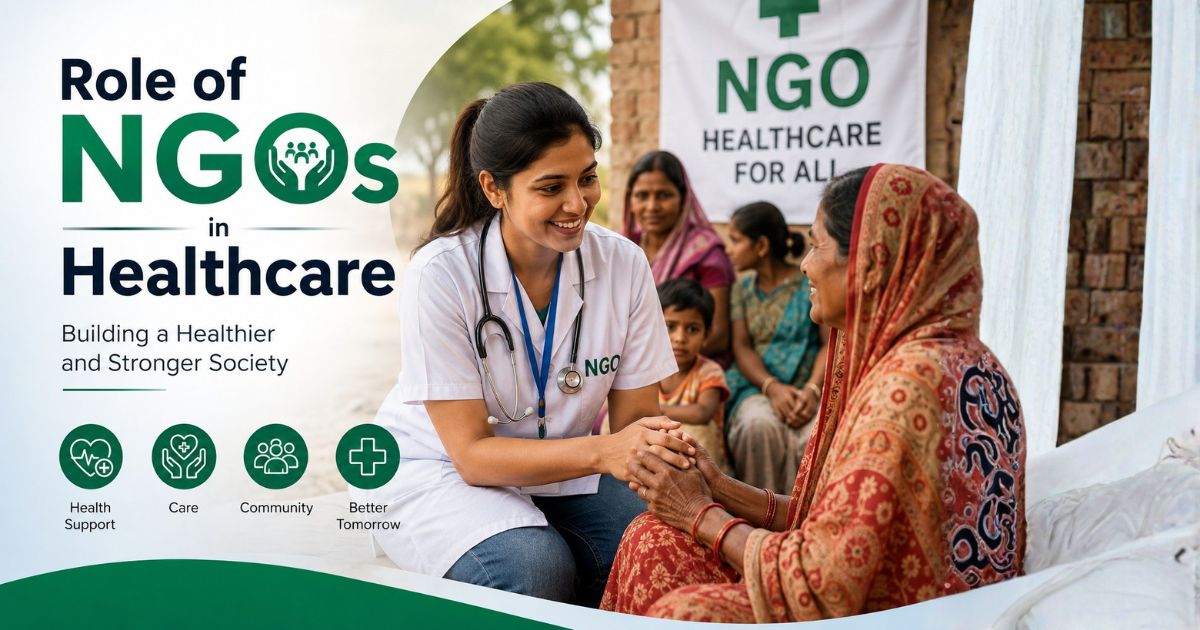
Good healthcare is an important part of a healthy and strong society. Every person should have access to basic healthcare services, health information, medicines, and proper medical support. However, many people, especially those living in rural areas and underserved communities, still face difficulties in getting quality healthcare.
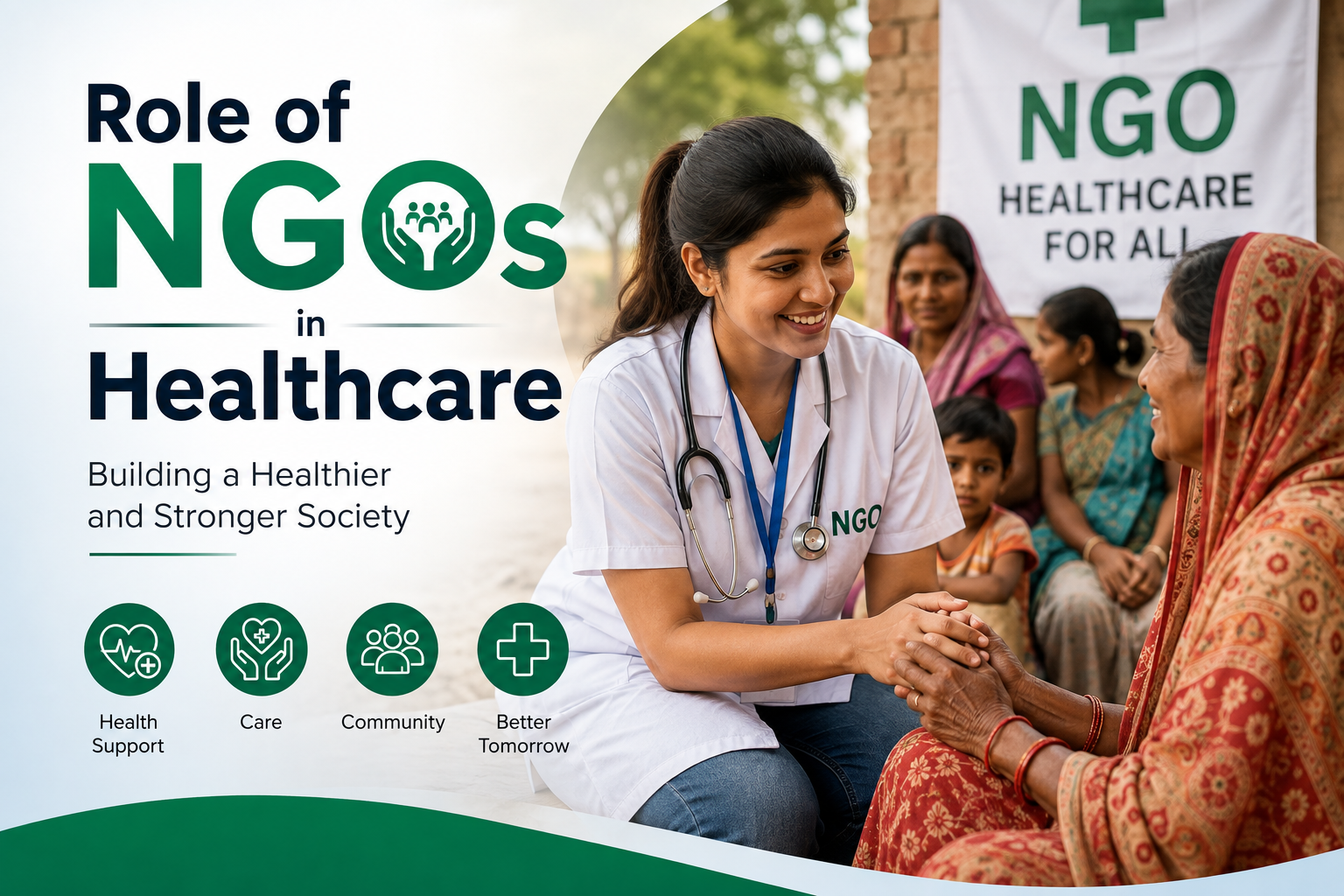
This is where Non-Governmental Organizations (NGOs) play an important role. NGOs work with communities to improve access to healthcare, spread awareness, support vulnerable people, and encourage healthier lifestyles. The role of NGOs in healthcare is not limited to providing medical help. They also work on prevention, education, nutrition, sanitation, and community development. Organizations such as Anupama Foundation can contribute to building healthier communities by creating awareness and supporting people who need help.
What Are NGOs in Healthcare?
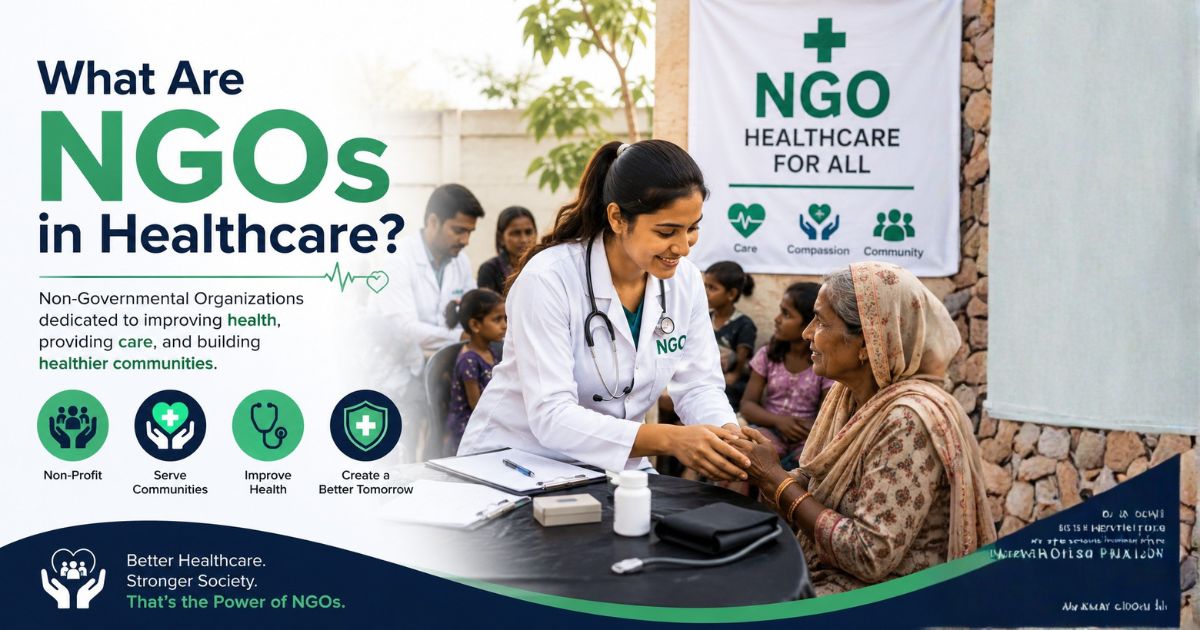
Non-Governmental Organizations are independent organizations that work for social and community development. Healthcare-focused NGOs work to improve the health and well-being of people through different activities and programs.
These organizations may organize health camps, awareness programs, medical check-ups, vaccination awareness drives, nutrition programs, and other community initiatives. Some NGOs also work with hospitals, doctors, volunteers, government organizations, and local communities to reach people who may otherwise have limited access to healthcare.
The major aim is to make healthcare support more accessible and help people understand the importance of taking care of their health.
Role of NGOs in Healthcare
The role of NGOs in healthcare is important because NGOs can work closely with local communities and understand their specific needs. Their work can help fill gaps in healthcare awareness and access.
1. Creating Healthcare Awareness
One of the most important responsibilities of NGOs is spreading health awareness. Many health problems can become serious when people do not know about their causes, symptoms, prevention, or available treatment.
NGOs organize awareness campaigns to educate people about topics such as hygiene, nutrition, sanitation, preventive healthcare, maternal health, child health, and healthy lifestyle choices.
Simple awareness programs can encourage people to take better care of themselves and their families.
2. Organizing Health Camps
Health camps are another important way NGOs support communities. These camps can provide basic health check-ups and help people understand when they should seek professional medical attention.
Health camps can be especially useful in communities where people may have difficulty reaching healthcare facilities. NGOs can work with doctors, healthcare professionals, volunteers, and local organizations to organize these initiatives.
Such programs can also encourage people to pay attention to their health before a problem becomes more serious.
3. Supporting Rural and Underserved Communities
Access to healthcare can be difficult for people living in remote or underserved areas. Distance, lack of awareness, financial limitations, and limited healthcare facilities can create challenges.
NGOs can help by taking awareness programs and healthcare initiatives closer to these communities. Their local presence allows them to communicate with people in a simple and understandable way.
This community-based approach is an important part of improving healthcare access.
4. Promoting Preventive Healthcare
Healthcare is not only about treating illness. Preventing health problems is equally important.
NGOs educate communities about preventive healthcare practices such as maintaining personal hygiene, eating nutritious food, staying physically active, keeping surroundings clean, and getting appropriate health check-ups.
By promoting prevention, NGOs can help people understand that small healthy habits can make a meaningful difference in everyday life.
5. Improving Health and Nutrition Awareness
Good nutrition is closely connected with overall well-being. Children, women, and families in vulnerable communities may need greater awareness about balanced nutrition and healthy eating habits.
NGOs can conduct nutrition awareness programs and educate families about the importance of nutritious food. They can also work with communities to promote better food choices and healthy habits.
Nutrition education is particularly valuable because it can benefit not only one individual but an entire family.
6. Helping Women and Children
Women and children are important areas of focus for many healthcare initiatives. NGOs can create awareness about maternal health, child nutrition, hygiene, reproductive health education, and regular health check-ups.
For children, early health awareness and proper nutrition can support healthy growth and development. For women, access to information and healthcare support can help them make informed decisions about their health.
Therefore, the role of NGOs in healthcare also includes creating safer and more informed communities for women and children.
7. Connecting Communities With Healthcare Resources
Sometimes people know that they need healthcare but do not know where to get the right support. NGOs can help connect communities with healthcare professionals, hospitals, government programs, and other relevant resources.
Through partnerships and community networks, NGOs can make it easier for people to find information and seek appropriate help.
This connecting role is especially important for people who may not be familiar with available healthcare services.
Why Are NGOs Important for Healthcare?
NGOs can bring flexibility and community-level understanding to healthcare initiatives. Because they often work directly with communities, they can identify local challenges and design awareness activities around those needs.
Another important advantage is the involvement of volunteers. Volunteers can support awareness campaigns, community activities, educational programs, and outreach initiatives.
NGOs can also collaborate with healthcare professionals, government bodies, educational institutions, companies, and other organizations. Such partnerships can increase the reach and effectiveness of healthcare programs.
How NGOs Can Build Healthier Communities
Building a healthier community requires more than occasional medical support. It requires continuous awareness, education, prevention, and community participation.
NGOs can encourage people to become more aware of their health and take responsible steps toward healthier living. Regular awareness activities can help communities understand the importance of hygiene, nutrition, preventive care, and timely medical consultation.
When people have the right information, they are better prepared to make informed healthcare decisions.
How Can You Support Healthcare NGOs?
Everyone can contribute to healthcare and community development in different ways. People can support NGOs by volunteering their time, participating in awareness programs, making donations, supporting fundraising campaigns, or sharing important health information with their communities.
Companies can also support healthcare initiatives through Corporate Social Responsibility (CSR) partnerships. Even a small contribution can help an organization reach more people and conduct meaningful community programs.
Supporting organizations working for healthcare is not only about financial contributions. Time, skills, awareness, and community participation can also make a difference.
The Future of NGOs in Healthcare
The need for healthcare awareness and community support will continue to remain important. As communities grow and healthcare challenges change, NGOs can continue to play a valuable role in creating awareness and connecting people with available resources.
Technology can also help NGOs reach more people through social media, websites, online awareness campaigns, and digital education. Combining community-level work with digital communication can help healthcare information reach a wider audience.
The future of healthcare is not only about hospitals and medical technology. It is also about informed communities that understand the importance of prevention and healthy living.
Conclusion
The role of NGOs in healthcare is important in creating healthier and more aware communities. From health awareness and preventive care to community outreach, nutrition education, and support for women and children, NGOs can contribute to healthcare in many meaningful ways.
Organizations like Anupama Foundation can help bring communities together and encourage people to become more aware of their health and well-being. With the support of volunteers, donors, healthcare professionals, communities, and responsible organizations, healthcare initiatives can reach more people.
A healthier society begins with awareness, access, and community participation. By supporting healthcare-focused NGOs, individuals and organizations can become part of the effort to build a healthier and stronger future for everyone.
Frequently Asked Questions (FAQs)
What is the role of NGOs in healthcare?
NGOs help improve healthcare awareness and access through activities such as health camps, community education, preventive healthcare programs, nutrition awareness, and support for underserved communities.
How do NGOs help rural communities?
NGOs can conduct healthcare awareness programs, health camps, educational activities, and community outreach initiatives in areas where access to healthcare information and services may be limited.
Why are healthcare awareness programs important?
Healthcare awareness helps people understand healthy habits, prevention, hygiene, nutrition, and the importance of seeking professional medical support when required.
How can I support an NGO working in healthcare?
You can support healthcare NGOs by volunteering, donating, participating in community programs, supporting CSR initiatives, or sharing useful health awareness information.
Can companies support healthcare NGOs?
Yes. Companies can support NGOs through CSR partnerships, donations, employee volunteering, awareness campaigns, and other community development initiatives.
Make a Difference with Anupama Foundation
Healthcare should be accessible to everyone, regardless of their financial background. Anupama Foundation works to support underserved communities by promoting health awareness and helping people access essential healthcare services.
Join us in creating a healthier and more inclusive India. Support Anupama Foundation today—volunteer, donate, or help spread awareness.